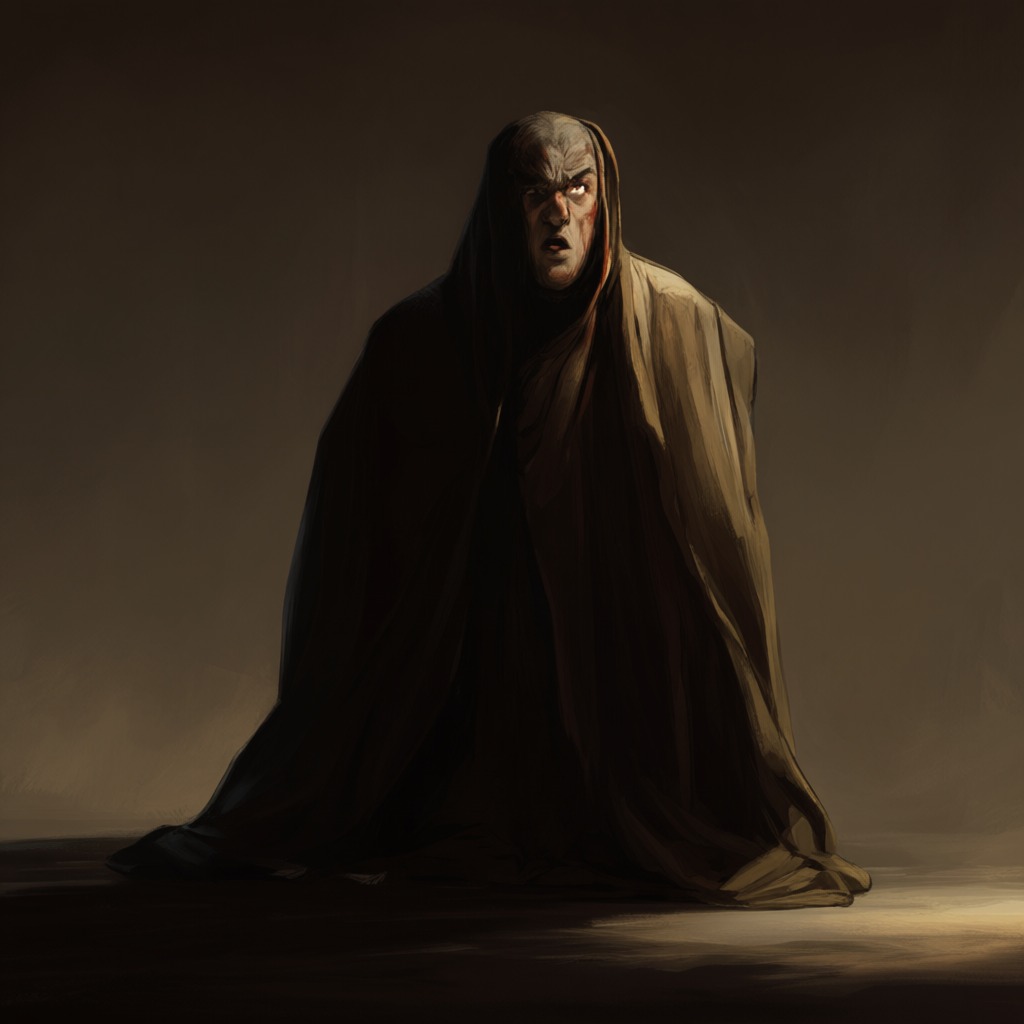
Laila's parents die
Laila's parents, Hakim and Fariba, die on a hot August afternoon in 1992, when a stray rocket fired by warring Mujahideen factions strikes their home in Kabul. The blast occurs as the family is preparing to flee the city, having finally agreed to leave Afghanistan for Pakistan. Laila, who is in the yard moving boxes of belongings, is thrown against a wall and knocked unconscious; she survives with a perforated eardrum and cuts, but her parents are killed instantly. The rocket reduces the house to smoking rubble, and Laila awakens in a hospital to the news that she is now an orphan. This single event shatters the last vestiges of her childhood and forces her into a marriage of survival with the much older shoemaker Rasheed, a decision driven by her pregnancy with Tariq's child and her utter lack of other options.
Background and the Decision to Leave
In the weeks before the attack, the civil war among the Mujahideen factions has made life in Kabul unbearable. Rockets rain down daily, and the streets are unsafe. Laila's father, Hakim, a gentle, bookish man who had been fired from his teaching job by the communists, has long dreamed of leaving Afghanistan for a peaceful life near the sea, perhaps in California. But Fariba, Laila's mother, has refused to abandon the country where her two sons, Ahmad and Noor, were killed fighting the Soviets. She insists on staying to witness the Mujahideen's victory. The turning point comes when a bullet zips past Laila's head, leaving a hole in the front gate. The near-death experience finally shakes Fariba from her grief-stricken paralysis. She agrees to leave, and the family begins packing their belongings to sell, planning to take a bus to Peshawar, Pakistan, and then apply for visas to the West.
The Rocket Attack
On the third morning of packing, Laila is carrying boxes of books and clothes from the house to the yard, where a mound of belongings has grown waist-high. She is filled with excitement at the prospect of reuniting with Tariq, who had left for Pakistan weeks earlier. As she pauses to recall a dream of being on a beach with Tariq, she hears a whistling sound growing louder. She looks up, and a rocket slams into the house behind her. The explosion lifts her off her feet and hurls her through the air; she sees a thousand shards of glass catching sunlight like tiny rainbows before she strikes a wall and loses consciousness. The last thing she registers is a bloody chunk of something landing nearby—part of her father's torso, still wearing the T-shirt with a picture of San Francisco's Golden Gate Bridge.
Aftermath and Orphanhood
Laila is taken to a hospital, where she drifts in and out of consciousness. She is treated by a long-faced woman and given pink pills for pain. Her left ear is permanently damaged, leaving her partially deaf. When she is well enough to be discharged, she is taken in by Rasheed, the shoemaker who lives down the street and who dug her out of the rubble. He salvages a handful of Hakim's books from the wreckage. Laila learns that her friend Tariq's house has been occupied by Mujahideen fighters, and she has no news of him. Alone, pregnant with Tariq's child, and with no means of support, she faces an impossible choice: try to flee to Pakistan as a single woman in a war zone, or accept Rasheed's offer of marriage. She chooses the latter, a decision that will bind her for years to a violent and controlling husband.
Thematic Significance
The death of Laila's parents is the catastrophic event that completes her transition from a hopeful, educated girl with a future to a vulnerable orphan forced into a survival marriage. It echoes the earlier loss of her brothers and mirrors the novel's recurring pattern of war destroying families. The rocket that kills Hakim and Fariba is not a targeted attack but a random act of violence in a conflict where civilians are the primary casualties. Laila's survival—and her subsequent decision to marry Rasheed to protect her unborn child—illustrates the brutal calculus that war imposes on women, who must navigate between the dangers of the streets and the dangers of the home. The event also deepens the novel's exploration of motherhood: Laila's pregnancy with Tariq's child becomes her sole reason for living, and her determination to protect that child at any cost echoes Mariam's own sacrifices later in the story.